Pentagon Drone Dominance Program: How Selected Drone Company USA Picks Are Creating Jobs
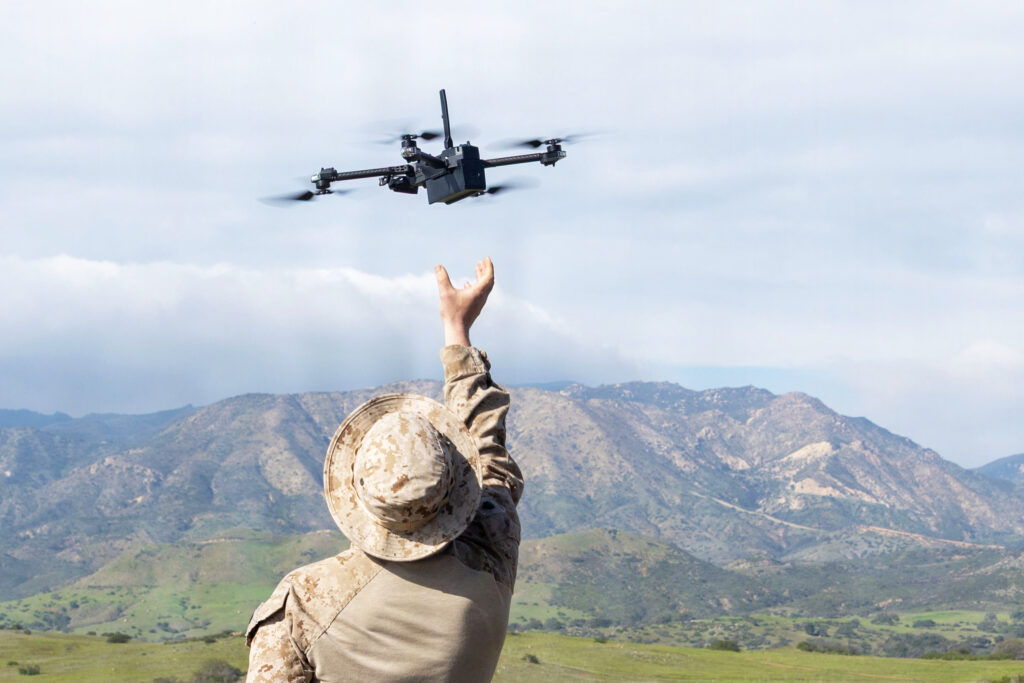
Overview of the Pentagon Drone Dominance Program
Secretary of War Pete Hegseth launched the Drone Dominance Program in December 2025 with a clear mandate to accelerate the manufacturing and fielding of American-made attack drones. The program allocates $1.10 billion across four competitive phases, with plans to purchase more than 300,000 platforms by 2028. This acquisition initiative marks a move from traditional defense procurement and compresses development timelines from years to months.
The program structure consists of four phases. Each begins with a Gauntlet challenge where military operators review drone company submissions through hands-on flight tests. Phase one started in February 2026 at Fort Benning, Georgia, and targets 30,000 units at $5,000 each. Phase two covers 60,000 units at the same price point and runs from August 2026 to January 2027. Production scales by a lot in phase three with 100,000 units priced at $3,000. Phase four follows with 150,000 units at $2,300 per unit.
Twenty-five companies competed in the original Gauntlet. About 12 vendors received delivery orders in phase one. The number of contract recipients decreases as phases progress and narrows to roughly three to five vendors in phase four. Military personnel flew each us drone company submission through specific mission scenarios. These included a 6.2-mile strike range in open territory and a 3,280-foot range in urban settings.
The Defense Innovation Unit and Naval Surface Warfare Center Crane Division execute the program jointly. Each drone must carry payloads of about 4.4 pounds and comply with National Defense Authorization Act provisions that prohibit components from covered foreign sources. Companies receive payment only for delivered drones that pass government quality verification.
The 25 Selected US Drone Companies
The Pentagon announced 25 vendors on February 3, 2026, to compete in Gauntlet I, representing a mix of long-standing defense contractors and emerging technology firms. This selection spans from companies with decades of aerospace experience to startups developing innovative autonomous systems. The list has Ukraine-based firms that have faced bureaucratic hurdles selling equipment to Western countries because their tools remain critical on the front lines against Russia.
The selected participants are:
- Anno.Ai
- Ascent Aerosystems
- Auterion Government Solutions
- Dzyne Technologies
- Ewing Aerospace
- Farage Precision
- Firestorm Labs
- General Cherry
- Greensight
- Griffon Aerospace
- Halo Aeronautics
- Kratos SRE
- ModalAI
- Napatree Technology
- Neros
- Oksi Ventures
- Paladin Defense Services
- Performance Drone Works
- Responsibly
- Swarm Defense Technologies
- Teal Drones
- Ukrainian Defense Drones Tech
- Vector Defense
- W.S. Darley & Co.
- Xtend Reality
Each us drone company brings distinct manufacturing capabilities and design approaches to address the military’s urgent requirement for expandable, economical attack platforms.
How the Program is Creating Drone Engineering Jobs
Manufacturing requirements from the $1.10 billion program drive workforce expansion in multiple technical disciplines. The Pentagon’s commitment to produce 300,000 low-cost attack drones by the end of 2027 requires each drone company vendor to scale operations faster and create positions in engineering, assembly, and quality control.
Compensation reflects the specialized nature of drone work. Remote pilot positions start at $19.50 per hour with progression to $22.50 after 1,000 completed flight hours. This translates to annual salaries between $45,000 and $65,000. Senior positions command higher rates. The average drone engineering jobs salary in North Carolina reaches $70,000 annually, while top earners exceed $85,000.
The broader defense budget allocation underscores sustained growth in this sector. Pentagon spending on drone and autonomous warfare programs jumped from $225.90 million in fiscal 2026 to $54.60 billion requested for fiscal 2027. This is a big deal as it means that a 24,000% increase signals massive hiring needs at participating firms. North Carolina alone reports 828 UAS-related positions spanning systems integration engineers and flight test technicians.
Each drone company participating in the program requires FAA Part 107 certified pilots and mechanical technicians familiar with assembly processes. Engineers capable of rapid prototyping must meet compressed development timelines.
Conclusion
The Pentagon’s Drone Dominance Program represents more than a change in military procurement. This initiative allocates $1.10 billion across 25 American drone manufacturers and creates thousands of specialized positions nationwide. Professionals seeking careers in autonomous systems will find expanded opportunities as production scales toward 300,000 units by 2028. Compressed timelines, competitive pricing structures, and domestic manufacturing requirements will give sustained growth in drone engineering jobs for years ahead.
More in Department of Defense Analysis
More Department of Defense Analysis articles-
Pentagon Budget Growth Drives New Economic Defense Unit, Jobs for Finance Experts
How Pentagon’s Budget Growth Enables Economic Warfare Capabilities The Pentagon’s fiscal year 2027 budget request reaches $1.5 trillion.…
-
Pentagon Taps Ford, GM to Boost Weapons Production, New Jobs
Trump Administration Expands Defense Industrial Base Through Commercial Partnerships Senior Pentagon officials held preliminary discussions with executives from…
-
The Ultimate Guide to DoD SkillBridge: How Veterans Can Break Into Defense Industry Careers
Understanding the DoD SkillBridge Program What is DoD SkillBridge and How Does It Work The DoD SkillBridge program…